EcoSmart Storage & Transport
EcoSmart Storage & Transport is an upcoming flagship initiative aimed at revolutionizing how post-harvest crops are stored and moved in developing regions. The system will integrate AI-powered analytics, real-time IoT sensors, and mobile logistics to protect food quality, reduce post-harvest losses, and ensure supply chain transparency from farm to market.
At its core, EcoSmart Storage utilizes a network of embedded environmental sensors to monitor key storage parameters such as:
- Ambient temperature and humidity
- Crop moisture content
- Gas levels (e.g., ethylene, CO₂) indicating ripening or spoilage
- pH and microbial growth indicators
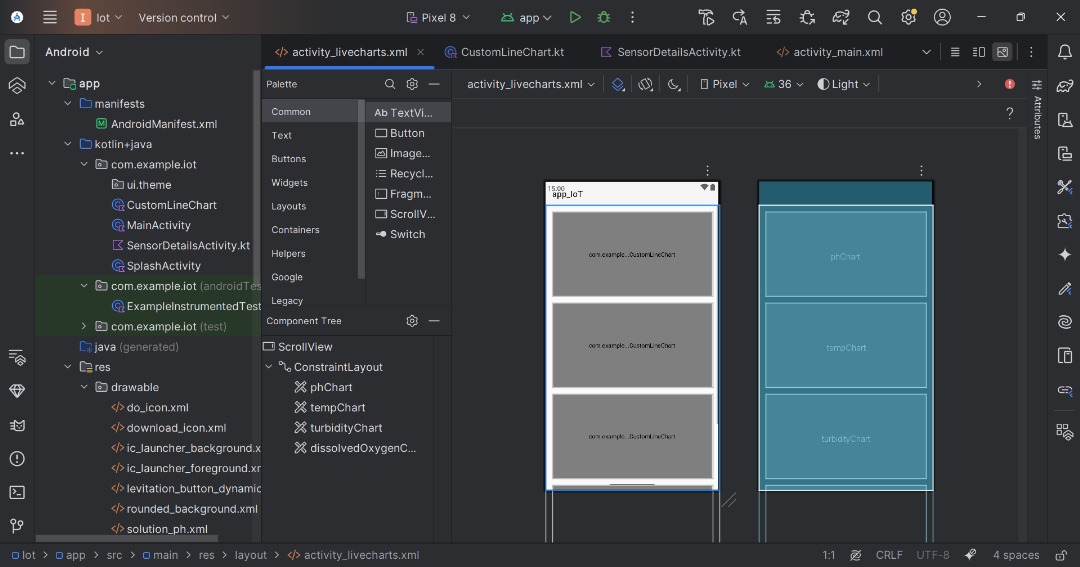
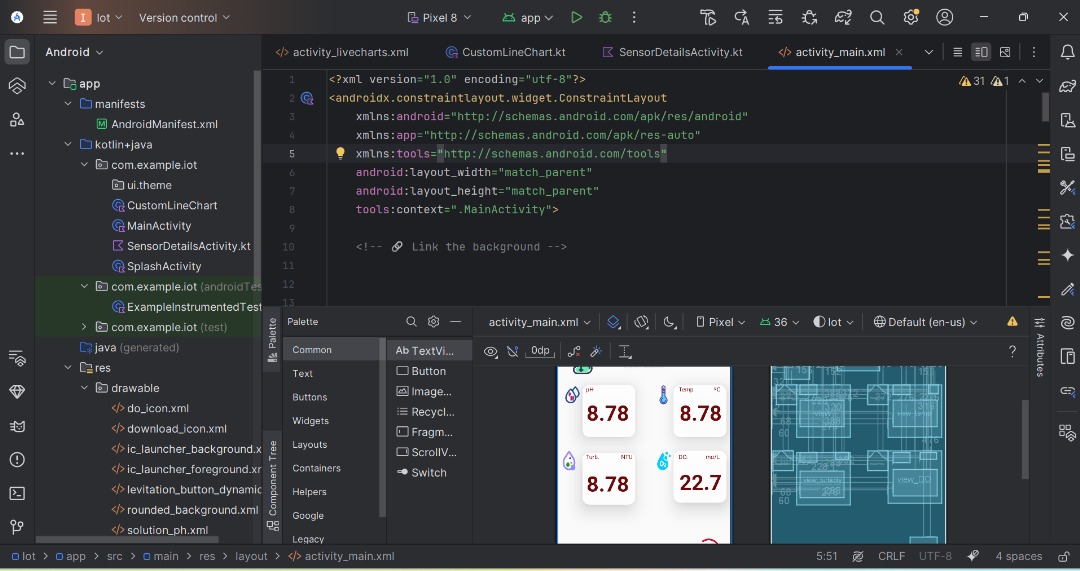
This data is processed using AI models that detect anomalies, forecast shelf life, and send alerts to stakeholders via a mobile dashboard—allowing for rapid response to potential spoilage conditions.
The EcoTransport extension ensures these smart capabilities are not limited to fixed storage units. It equips transport vehicles—especially trucks and rural delivery vans—with ruggedized versions of the same smart sensors and data loggers. These vehicles become part of a "mobile cold chain", maintaining optimal crop conditions throughout transportation. The system features:
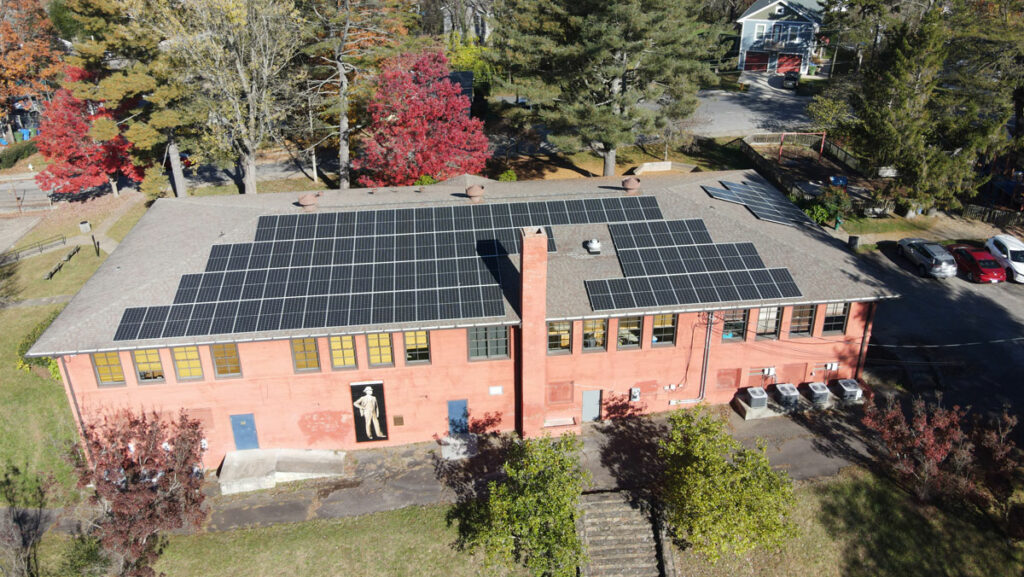
- Solar-powered cooling and sensor systems
- GPS-tracked route optimization for faster delivery
- Real-time driver and logistics team alerts on temperature excursions
The goal is not only to preserve crop quality but also to empower farmers and cooperatives with transparent, data-driven decision-making. With spoilage rates reduced and quality verifiable, smallholder farmers gain better leverage in pricing negotiations, and local markets can depend on a more reliable food supply chain.
Sustainability is built in: EcoSmart Storage is designed to run on off-grid power sources (solar/battery), use biodegradable insulation materials, and ensure low-energy operation. All hardware is modular and repairable, promoting circular design principles and long-term affordability.
The pilot phase will begin in partnership with farming communities in Ghana’s Eastern and Northern Regions, with future expansion planned across West Africa.